
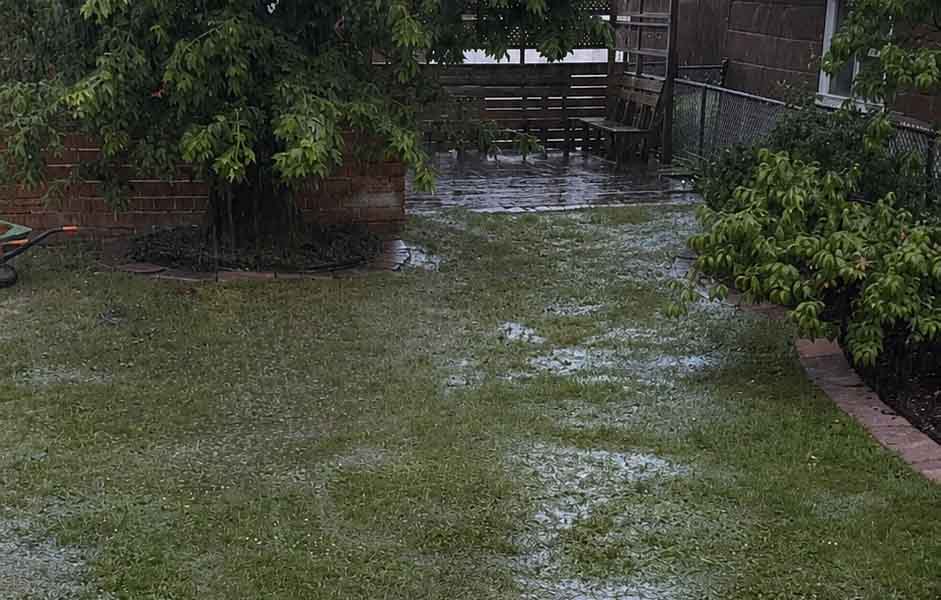
There’s something magical about thunderstorms in the summer. Except when they’re not.
The forecast calls for heavy rain. Dark clouds roll in, thunder rumbles in the distance, and for many people, it's the perfect excuse to sit on the porch and watch the storm roll through. What most homeowners don't think about is what's happening beneath the streets as the rain continues to fall. After days of wet weather, the ground may already be saturated and municipal stormwater systems can be pushed to their limits. That's when a beautiful summer storm can quickly become a homeowner's nightmare, often beginning with an unfamiliar gurgling sound from a basement floor drain or water appearing where it shouldn't be.
Unfortunately, sewer backups and basement flooding have become a growing concern throughout Southern Ontario. Communities including Hamilton and Burlington have experienced significant rainfall events in recent years that have overwhelmed municipal infrastructure and caused costly damage to homes. While municipalities continue investing in stormwater management improvements, homeowners can also take steps to reduce their risk.
One of the most effective tools available is a properly installed and maintained backwater valve.
Why Heavy Rain Can Lead to Sewer Backups
During intense storms, rainwater that falls on roads, driveways, rooftops and parking lots quickly enters municipal systems through storm drains and catch basins. When large amounts of water enter the system in a short period of time, municipal sewer infrastructure can become overwhelmed. When pressure builds within the sewer system, instead of flowing away from homes (as it should), sewage can be forced back toward properties through basement floor drains, toilets, showers and other low-lying plumbing fixtures.
For homeowners, the result can be devastating. Even a small sewage backup can damage flooring, drywall, furniture, personal belongings and finished basement spaces. While insurance may help cover some of the financial costs, it cannot replace sentimental items, family keepsakes or the time and inconvenience involved in cleaning up, coordinating repairs and restoring a home to normal.
What is a Backwater Valve?
A backwater valve is a protective device installed on a home's sewer line.
Under normal conditions, wastewater leaves your home and flows toward the municipal sewer system. If sewage attempts to flow back toward the home during a sewer surcharge from the municipal sewer system, the valve automatically closes, helping prevent wastewater from entering the property.
While no flood-prevention measure can eliminate every risk, a backwater valve can significantly reduce the likelihood of sewage entering a home during severe weather events.
While a backwater valve can be one of the most effective ways to protect your home from a sewer backup, installation is only part of the equation. Proper maintenance, regular inspections and ensuring your home's drainage systems are configured correctly all play an important role in reducing your risk.
Explore the sections below to learn more or contact us if you have any additional questions.
Why an Alarm Is Just as Important
Many homeowners are surprised to learn that a backwater valve should ideally be equipped with an alarm system.
When a backwater valve closes, it is doing exactly what it was designed to do: stopping sewage from flowing back into the home. However, once the valve is closed, wastewater from inside the house may also be unable to leave the property until the municipal system has capacity again.
An alarm alerts you that the valve has been activated. This way, you know to avoid using toilets, showers, washing machines, dishwashers and other plumbing fixtures until the event has passed.
Without an alarm, you may not realize the valve has closed until you experience drainage issues inside your house.
How Often Should a Backwater Valve be Inspected?
Installing a backwater valve is only the first step.
Like any mechanical device, backwater valves require periodic inspection and maintenance to ensure they function properly when needed. Debris, grease, sediment and other materials can affect performance over time.
Ideally, backwater valves should be inspected semi-annually. At an absolute minimum, inspections should be performed every two years.
Some insurance companies may have specific requirements regarding maintenance schedules, so homeowners should consult their provider to determine if their policy has any specific requirements.
The worst time to discover a problem with a backwater valve is during a major storm.
Other Ways to Reduce Basement Flooding Risk
A backwater valve works best as part of a broader flood-prevention strategy. Homeowners should also consider:
- Maintaining and cleaning floor drains
- Ensuring eavestroughs and downspouts direct water away from the foundation
- Addressing grading issues around the property
- Maintaining sump pumps where applicable
- Having sewer lines inspected if recurring drainage issues are present
- Confirming that foundation drainage and roof drainage systems are connected properly
Many homes built in the 1970s and 1980s were constructed differently than modern homes, and some may still have foundation drainage systems connected to the sanitary sewer. If a home's weeping tile enters the sanitary sewer system downstream of a backwater valve, the valve may not provide the protection you expect during a major rainfall event.
A professional inspection can help determine how your home's drainage system is configured. In some neighbourhoods, such as Tyandaga in Burlington, gravity weeping tile systems were common. One possible indicator is the presence of two cleanouts in the basement near the water meter, although a professional inspection is always the best way to confirm how the system is connected.
Homeowners should also ensure that roof drainage is directed to the appropriate system. Requirements can vary between municipalities, and what is common in one community may not be appropriate in another. A sewer camera inspection can help identify improper connections, drainage issues and other potential concerns before they contribute to basement flooding or sewer backup problems.
Financial Assistance
Many people are unaware that municipal incentive programs may help offset the cost of flood-prevention improvements.
The City of Hamilton's Protective Plumbing Program offers eligible homeowners grants for measures such as backwater valve installation, sump pump installation (when combined with a backwater valve) and downspout disconnection projects. Funding and eligibility requirements can change over time, so it’s always best to verify current program details directly with the City.
Homeowners in Burlington, Oakville, Milton and Halton Hills may qualify for assistance through Halton Region's Enhanced Basement Flooding Prevention Subsidy Program, which supports a variety of flood-prevention measures, including backwater valves and related improvements. Program requirements and subsidy amounts may change, so be sure to confirm current details before beginning any work.
Protecting Your Home Before the Next Storm
Sewer backups are something most people don’t think about until they experience one.
Unfortunately, by the time sewage enters a basement, the damage has already begun.
If your home is located in an area that has experienced flooding, sewer surcharging or basement water issues during major rainfall events, now is the time to evaluate your risk. A properly installed and maintained backwater valve, combined with regular inspections and an alarm system, can provide valuable protection when severe weather strikes.
If you are unsure whether your home has a backwater valve, whether it is functioning properly or whether your property may qualify for municipal incentives, a professional inspection can help you understand your options before the next major storm arrives.
As the saying goes, an ounce of prevention is better than a pound of cure.