
What Happens When a Curb Box Becomes a Lawn Hazard?
If you have ever hit a curb box with a lawn mower, tripped over one sticking up out of the grass, or noticed a water shutoff sitting several inches above grade, you are not alone. It is a common issue in older neighbourhoods throughout Hamilton, Burlington and surrounding areas, especially as lawns are regraded over time or older infrastructure settles differently than intended.
The good news is that, in many cases, the issue can be corrected relatively quickly. However, homeowners should never attempt curb box lowering or modification themselves, and there are a few important things to know before arranging a repair.
First Step: Contact Your Municipality
Before calling a contractor, your first call should be to your municipality.
Ask:
- Whether the curb box is located on municipal property
- Whether the municipality handles curb box lowering or repairs
- Whether there are any costs involved
- What the expected timelines are
It is also worth asking what happens if the repair involves more than simply lowering the telescopic portion of the curb box.
In ideal conditions, many curb boxes are designed to telescope up and down for grade adjustments. However, older infrastructure does not always cooperate. Sometimes the curb box becomes seized, the valve at the bottom of the curb box sits at a depth that limits standard adjustment methods or the shaft is already sitting as low as it can safely go.
In some municipalities, city crews may still handle these situations - though there may or may not be a fee. In others, homeowners may be directed to hire a local sewer and drain contractor instead.
If the municipality’s timeline is uncertain, or if there are costs associated with the work, it may make sense to contact a local contractor to compare pricing and scheduling options.
Why Homeowners Should Not Attempt This Themselves
Many homeowners assume a curb box can simply be hammered down or cut shorter. Unfortunately, it is not that simple.
The curb box provides access to the water shutoff valve below ground. Even a seemingly light impact to the line or surrounding hardware can potentially create damage underground that may not become obvious until much later. What looks like a simple adjustment could eventually lead to leaks, shifting connections or expensive repairs beneath the surface.
Because of this, curb box lowering and repair should always be handled carefully and assessed properly before any work begins.
How Curb Box Adjustments Are Typically Assessed
At Phil Groves Sewer 911, the first step we take when adjusting a curb box is assessing the depth and condition of the valve at the bottom of the curb box.
Typically, this is done using a curb box shutoff key to determine the valve depth and whether the curb box still has proper movement. In some situations, however, we may need to improvise tools depending on the condition and configuration of the existing hardware.
From there, we determine whether the telescopic portion of the curb box can still be lowered as originally intended.
If it cannot, that is when the situation requires further analysis.
Older homes throughout Hamilton and Burlington were often installed under different standards and practices than what would typically be used today. Over decades, settling, landscaping changes and previous repairs can also affect how a curb box sits relative to the surrounding grade.
A Real Example from Hamilton
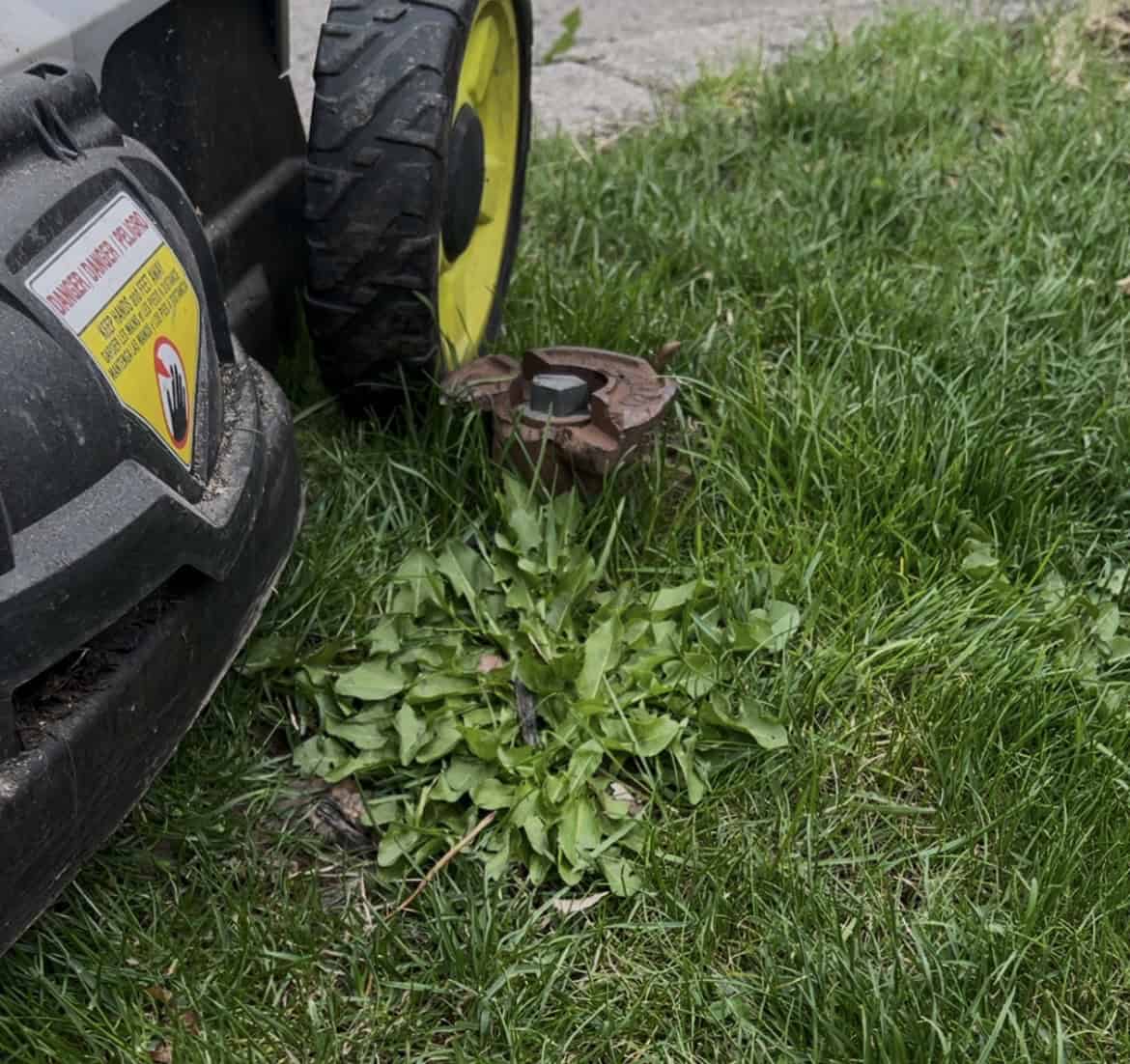
Recently, Phil Groves Sewer 911 completed a curb box adjustment at a Hamilton home where the curb box had become a lawn hazard.
After assessing the system, we found that the service line had been installed at a depth that limited standard adjustment methods, and the shaft was already sitting as low as it could safely go. However, there were no operational problems with the water service itself - no freezing issues, leaks or other failures that would justify the added cost and disruption of digging up and replacing the entire assembly.
Because of that, we chose a quicker and more economical repair approach.
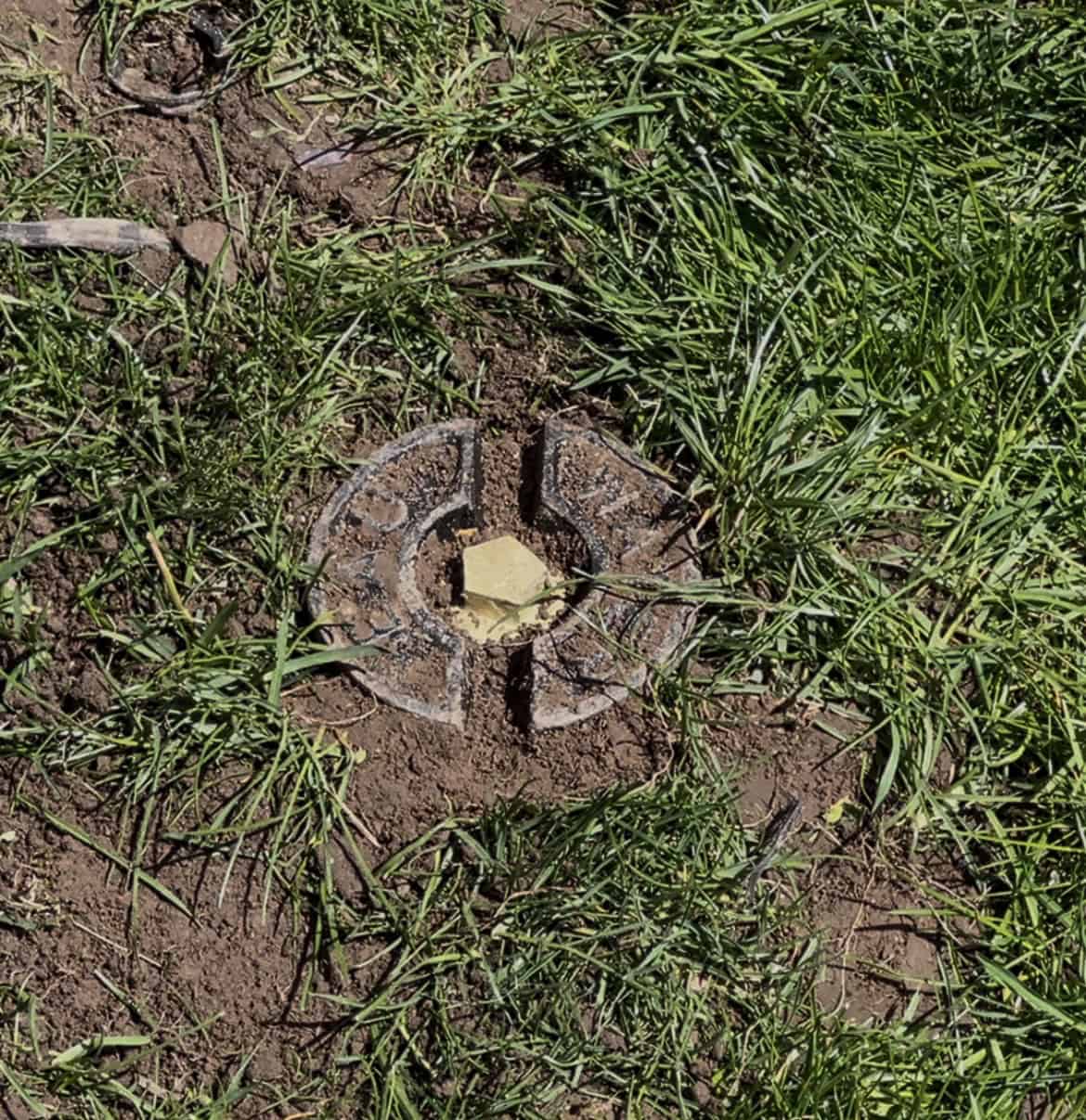
Using a grinder and a factory-made replacement cap, we were able to safely lower the exposed portion of the curb box while maintaining proper function and accessibility to the shutoff valve below.
We like this approach in situations where it is appropriate because it solves the immediate safety hazard without unnecessarily disturbing otherwise functional infrastructure.
When Should You Call a Contractor?
If your curb box has become a tripping hazard or lawn mower hazard, your first call should always be to your municipality to determine whether the curb box falls under their responsibility and whether they will handle the adjustment at no cost.
In many cases, municipalities can lower curb boxes using standard adjustment methods. However, older infrastructure and unique site conditions do not always allow for a straightforward repair.
If the municipality:
- Does not handle the repair
- Charges for the work
- Has timelines that are too long or uncertain
- Determines the curb box cannot be lowered using standard methods
- Finds that the curb box is seized, damaged or otherwise requires additional work
then it may make sense to contact an experienced sewer and drain contractor like Phil Groves Sewer 911 to assess the situation and discuss available repair options.
If you are dealing with a raised curb box or water shutoff issue in Hamilton, Burlington or surrounding areas, Phil Groves Sewer 911 can help assess the situation and determine the safest and most practical solution for your property.