
Tree Roots in Sewer Lines: What Homeowners in Hamilton & Burlington Need to Know
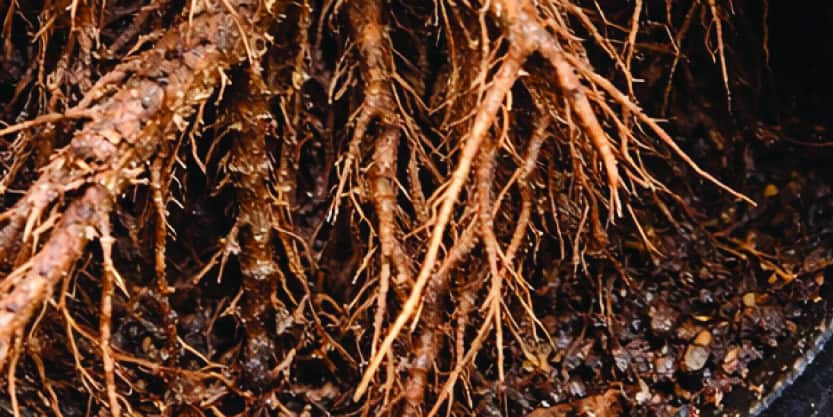
If you’ve ever had a drain slow down for no clear reason… and then seem fine again… and then clog a few weeks later, you’re not alone. That pattern is often one of the first signs of tree roots in your sewer line.
We see this all the time in Hamilton, Burlington, Dundas and Ancaster. Tree roots are one of the most common causes of sewer line problems in this area, especially in older homes with large, mature trees. And the frustrating part is that the problem can recur and usually gets worse the longer you ignore it.
Roots don’t grow into pipes on purpose. They’re just looking for moisture and an easier path through the soil. If your sewer pipe has even a small crack or loose joint, it creates the perfect opening, giving roots both the moisture they need and an easier path to follow.
A root intrusion may start out small, but over time, the roots get thicker and spread inside the pipe. It also starts catching debris like grease, paper and waste. This is when you begin to notice slow drains, recurring clogs or even a sewer backup.
The soil in Southern Ontario plays a big role in this. In many parts of Hamilton, Burlington and Ancaster, the soil is heavy clay. Clay expands when it’s wet and shrinks when it dries. This constant movement can shift sewer pipes and create small cracks or openings over time.
In other areas, the soil is more sandy or loamy. This type of soil drains well, but it also allows roots to travel further and faster. So while clay soil can damage pipes, sandy soil makes it easier for roots to reach them. Either way, your sewer line becomes vulnerable to root intrusion.
One of the biggest challenges with tree roots in sewer lines is that the problem builds slowly. You might notice a clog that clears, then comes back later. You might hear gurgling from your toilet or see multiple drains acting up at the same time.
A sewer camera inspection is usually the best way to diagnose tree roots in a sewer line. By sending a specialized waterproof camera through the pipe, we can see exactly where the roots are getting in, how severe the intrusion is and whether the pipe itself is cracked, separated or collapsing. This helps homeowners understand the condition of the sewer line and whether the issue can be managed with maintenance or if a repair is the better long-term solution.
Many homeowners opt to address this problem by snaking the drain or cutting the roots. This can help in the short term, and it may seem like the problem is gone. But clearing roots does not fix the pipe itself.
If roots got in once, they will come back. The opening in the pipe is still there. In many cases, the roots grow back thicker and faster after being cut.
At some point, the issue becomes less about clearing roots and more about the condition of the sewer line. If the pipe is cracked, broken, or separated, it will continue to allow roots in no matter how often it is cleaned.
This is where homeowners have to make a decision. Some choose ongoing maintenance, like regular root cutting or high-pressure flushing. This can help prevent sewer backups and manage the issue in the short term. However, it does not stop the problem, and the cost of repeated service can add up over time.
Others choose to repair or replace the damaged section of sewer pipe. While this has a higher upfront cost, it addresses the root cause of the problem. In many cases, this is the more cost-effective long-term solution.
The key is planning ahead. If you catch tree roots in your sewer line early, you have time to understand the condition of the pipe and decide what makes the most sense for your home and budget. A sewer inspection can help identify how severe the root intrusion is and whether the pipe is structurally damaged.
Tree roots in sewer lines are extremely common in Hamilton, Burlington, Oakville, and the surrounding areas. But they’re also one of the most misunderstood causes of sewer problems. It’s not just about clearing a clog; it’s about understanding why it keeps happening and choosing how you want to deal with it.
Think You Might Have Tree Roots in Your Sewer Line?
If you’re dealing with recurring clogs, slow drains or signs of a sewer backup, tree roots could be the cause.
To learn more, check out our tree root removal page, where we go into more detail about the signs to watch for and how the problem is actually fixed.